

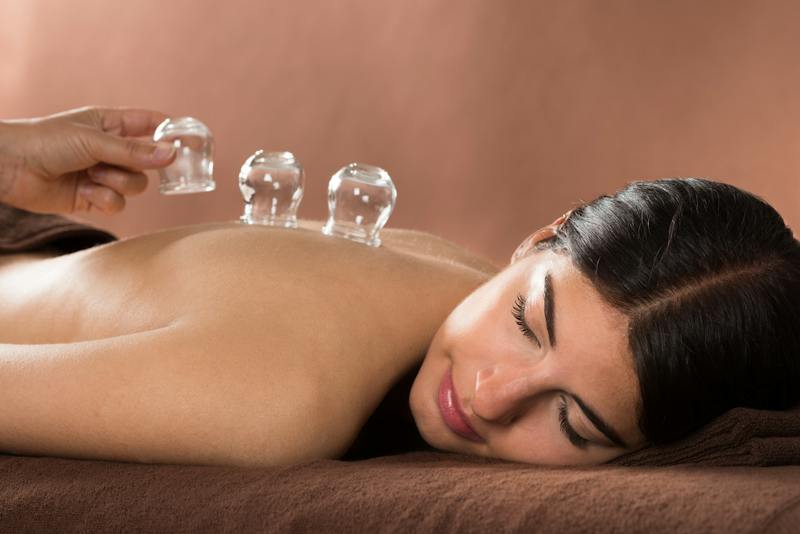
Yes, adding cupping to a massage may help overworked muscles feel looser and less sore after hard workouts. Cupping uses gentle suction on targeted areas, and as a massage add-on, it gives extra attention to stubborn spots. Research on cupping is still developing, and massage has the stronger evidence, so the pairing works best as a plan customized with your therapist.
At EuroPhoria Medical Spa, you can add cupping to your massage during your visit. Learn more about our massages in Bakersfield, including the cupping add-on. As with any wellness treatment, talk to your doctor or another qualified professional if you have health concerns before you book.
Can cupping help sore, overworked muscles after a workout?
Cupping may help sore, overworked muscles feel better after a workout. Cupping places cups on the skin to create gentle suction over areas of tension, soreness, and tightness. In one 2025 study, people who received cupping after hard exercise reported lower soreness scores 24 hours later than people who received none. Results vary, so think of cupping as a helpful boost.
The soreness that shows up a day or two after a tough session has a name: delayed onset muscle soreness, or DOMS. It is common after new or intense training, and it is the kind of tightness many active people want to ease. A cupping add-on lets your therapist focus on the exact areas that feel most overworked.
Why pair cupping with a massage instead of choosing one?
Massage gives you the best-supported base for post-workout soreness, and cupping adds extra attention to stubborn areas. A meta-analysis of 11 studies found that massage lowered muscle soreness compared with no treatment at 24, 48, and 72 hours after intense exercise. Adding cupping lets your therapist customize the session around your trouble spots.
You do not have to pick one or the other. EuroPhoria offers deep tissue massage for tight, contracted areas, Ashiatsu bar therapy for long, gravity-assisted strokes, and therapeutic massage designed around your goals. Ask your therapist how cupping can fit with the massage you choose.
What does the research say about cupping and muscle recovery?
Research suggests cupping is low-risk and may ease soreness, but the evidence is still developing. A 2023 review rated the evidence for cupping in sports rehabilitation as low to moderate and found very few adverse events. Studies on workout recovery specifically are small, and results vary from study to study.
- Promising early results: In a 2025 study of 55 healthy men aged 18 to 25, people who received 10 minutes of cupping right after DOMS-inducing exercise had lower pain scores 24 hours later than the control group (1.57 vs. 6.14 at the strongest pressure tested). They also had a faster 30-meter sprint (0.27 seconds) and a longer standing long jump (0.08 meters). Song et al., Frontiers in Sports and Active Living, 2025.
- Mixed results: In a 2025 trial of 81 recreational runners, 5 minutes of cupping on the quadriceps after running showed no significant difference from a sham treatment in muscle pain, fatigue, perceived recovery, or jump height over 72 hours. Journal of Bodywork and Movement Therapies, 2025.
- Strong support for massage: The meta-analysis of 11 studies and 504 participants also found that massage improved maximal isometric force and peak torque, with the greatest benefit for soreness at 48 hours after exercise. Guo et al., Frontiers in Physiology, 2017.
- Overall picture: A review of cupping in musculoskeletal and sports rehabilitation found moderate evidence for improving soft tissue flexibility and described cupping as a useful intervention with low adverse effects. Mohamed et al., Journal of Back and Musculoskeletal Rehabilitation, 2023.
In short, cupping works best as a supportive add-on to massage, and your own experience over the next day or two is the best measure of whether it suits you.
Who is a good candidate for a cupping add-on?
Active adults with stiff or sore muscles after training, such as lifters, runners, and weekend athletes, are often a good fit for a cupping add-on. People who are pregnant or who have certain health conditions should check with a doctor first. Your therapist will review your concerns before your treatment begins.
Cleveland Clinic advises against cupping during pregnancy and recommends avoiding it if you have any of the following. Talk to your doctor first if any of these apply to you:
- Anemia
- A pacemaker
- A bleeding disorder, such as hemophilia
- Blood clotting problems, including deep vein thrombosis (DVT) or a history of stroke
- Cardiovascular disease
- Skin conditions, including eczema and psoriasis
- Seizures (epilepsy)
Source: Cleveland Clinic.
What can you expect during and after a cupping add-on?
Expect gentle suction on targeted areas, followed by round, red marks that usually fade within a week or two. Cleveland Clinic notes these marks look like bruises but are not true bruises that injure muscle fibers. Some people also notice mild muscle tension or soreness afterward, so plan your day with that in mind.
For your visit, we suggest arriving 15 to 30 minutes before your scheduled treatment so you can relax. Your massage therapist will talk with you about your concerns and the areas you want to address. Each massage includes 10 minutes for consultation and dressing, so you can share how your workouts have been going.
When is the best time to add cupping around your training?
The best timing depends on your training schedule and how sore you feel, so your therapist can help you decide when to add cupping. In the 2025 soreness study, cupping was applied right after exercise and results were measured 24 hours later. Tell your therapist about your workout plan when you book.
If you train several days a week, mention which muscle groups you worked and which areas feel the most tight. That helps your therapist focus the cupping where it can add the most value to your massage.
How do you add cupping to your massage at EuroPhoria in Bakersfield?
To add cupping, choose your massage and ask for the cupping add-on when you schedule. Your EuroPhoria massage therapist will talk through your concerns and focus the cupping on the areas that need extra attention, while you still enjoy your full massage. It is an easy way to customize your session.
You can see every option on our massage page, and members can explore savings through our EuroPhoria membership options. Ready to give your overworked muscles some attention? Schedule a consultation at EuroPhoria in Bakersfield and tell us what your workouts have been like.
FAQs
How soon after a workout should I get a cupping add-on?
The right timing depends on your training and how sore you feel. Your therapist can recommend when to book based on your schedule. In the 2025 soreness study, cupping was applied right after exercise and results were checked 24 hours later, so many people plan sessions close to their harder workouts.
Does cupping hurt?
Cupping uses gentle suction, and most people feel pulling or pressure rather than sharp pain. Tell your therapist right away if the sensation feels too strong, and they can adjust. Cleveland Clinic lists mild muscle tension or soreness as a possible effect afterward, so plan for a calm rest of your day.
How long do cupping marks last?
Cupping marks usually fade in a week or two. Cleveland Clinic explains that the round, red marks look like bruises but are not true bruises that injure muscle fibers. If you have an event or photo shoot coming up, let your therapist know when you book.
Can I add cupping to a deep tissue or Ashiatsu massage?
Cupping can be incorporated into your massage based on your individual needs and areas of concern. EuroPhoria offers deep tissue and Ashiatsu bar therapy massages. Ask your therapist how cupping can fit with the massage you choose.
Who should skip cupping or check with a doctor first?
Cleveland Clinic advises against cupping during pregnancy and recommends avoiding it with anemia, a pacemaker, bleeding disorders, blood clotting problems, cardiovascular disease, skin conditions such as eczema and psoriasis, or seizures. If any of these apply to you, talk to your doctor before booking a cupping add-on.
Is cupping or massage better for muscle soreness?
Massage has the stronger evidence for easing muscle soreness after exercise, including a meta-analysis of 11 studies showing lower soreness at 24, 48, and 72 hours. Cupping is best seen as a customizable add-on that gives extra attention to tight spots, so many people enjoy combining the two.
The bottom line
Adding cupping to a massage may help overworked muscles feel looser and less sore after hard workouts, and it can be tailored to the spots that need it most. Results vary, so talk with your doctor if you have health concerns. Schedule a consultation at EuroPhoria in Bakersfield and ask your therapist about the cupping add-on.
